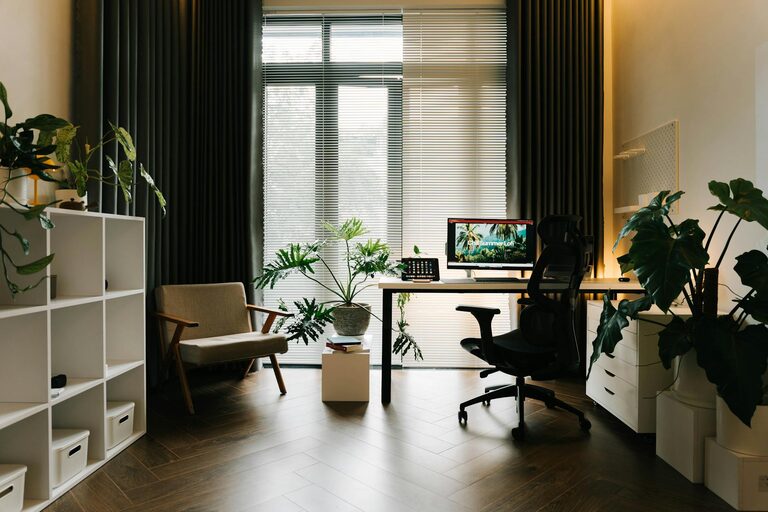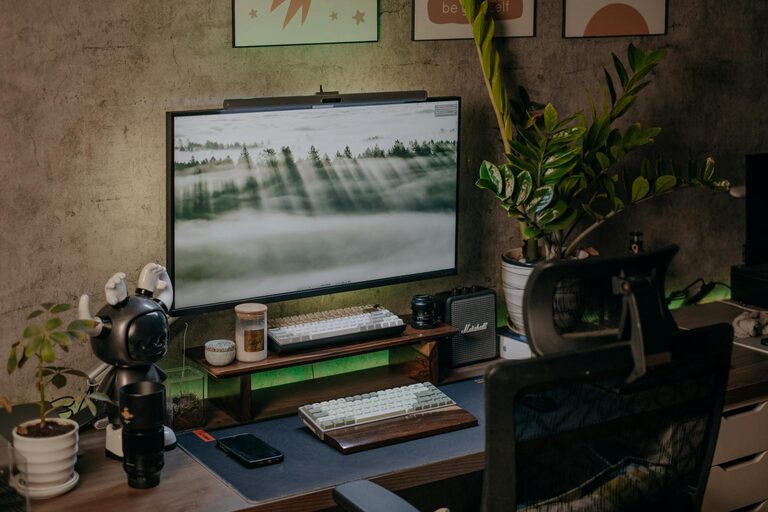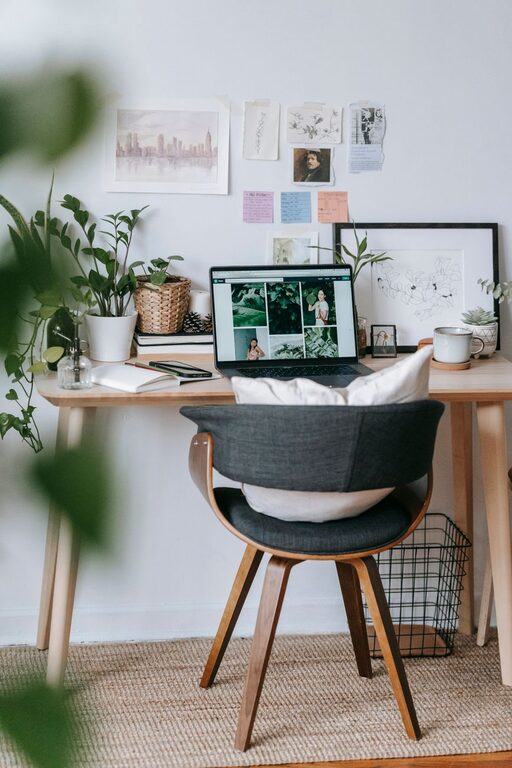




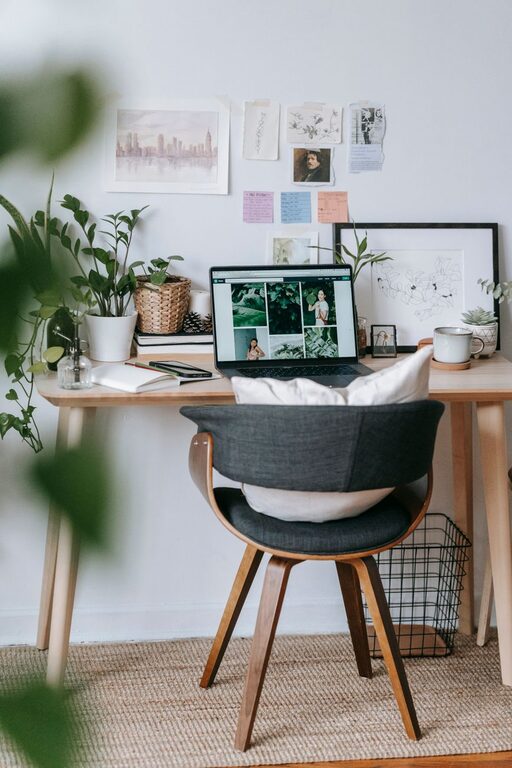
Creating a comfortable and productive home office space is essential for staying focused and motivated, especially as many people continue to work remotely or spend more time at home. A well-designed workspace can boost creativity, reduce stress, and improve overall work performance. Follow these tips to design a cozy and efficient home office that suits your needs.
1. Choose the Right Location
Selecting the right spot for your home office is the first step toward creating a productive workspace.
– Quiet and Private: Pick a space away from noisy areas like the living room or kitchen to minimize distractions.
– Natural Light: Whenever possible, set up near a window to benefit from natural light, which can improve mood and reduce eye strain.
– Space Considerations: Ensure your chosen area has enough room for your desk, chair, and any accessories you need.
2. Invest in a Comfortable Chair and Desk
Ergonomics play a crucial role in maintaining comfort during long work hours.
– Ergonomic Chair: Choose a chair with good lumbar support and adjustable height. This helps maintain good posture and reduces back pain.
– Desk Size and Height: Use a desk that fits your work equipment and allows you to work comfortably without strain. Consider an adjustable desk if you like to alternate between sitting and standing.
3. Organize Your Workspace Efficiently
A clutter-free, well-organized space can enhance focus and workflow.
– Storage Solutions: Use shelves, drawers, or desk organizers to keep supplies, documents, and gadgets neatly arranged.
– Cable Management: Use cable clips or sleeves to prevent cords from tangling and cluttering your desk.
– Declutter Regularly: Take a few minutes at the end of each day to tidy up your area to maintain order.
4. Add Personal and Cozy Touches
Making your workspace inviting can increase your enjoyment and motivation.
– Soft Textiles: Incorporate cushions, a soft rug, or a cozy blanket to add warmth and comfort.
– Plants: Small indoor plants not only improve air quality but also create a calming environment.
– Artwork and Decor: Hang inspiring artwork or photos that make you feel happy and energized, but avoid overdecorating to keep focus.
5. Maximize Lighting
Good lighting is essential to reduce eye strain and create an energizing atmosphere.
– Layered Lighting: Combine natural light with task lighting like desk lamps and ambient lighting such as floor lamps.
– Adjustable Lighting: Use lamps with adjustable brightness or color temperature to suit different times of day and tasks.
– Minimize Glare: Position your computer and screens to avoid glare from windows or lights.
6. Minimize Distractions
Creating boundaries between work and home life will help maintain productivity.
– Set Boundaries: Communicate your office hours to family members or roommates to reduce interruptions.
– Use Headphones: Noise-cancelling headphones or background music can help block distracting noises.
– Designate a Work-Only Zone: Keep your workspace for work activities alone, avoiding leisure items like TV remotes or personal gadgets.
7. Incorporate Technology and Tools Wisely
Having the right technology can improve your workflow and comfort.
– Reliable Internet: Ensure your workspace has strong Wi-Fi or wired internet to avoid connectivity issues.
– Functional Equipment: Invest in a good quality monitor, keyboard, and mouse to enhance efficiency.
– Organize Digital Files: Keep your computer desktop and folders well-organized for easy access to important documents.
8. Personalize Your Routine
Your home office should support not only your space needs but also your work habits.
– Break Area: If possible, set aside a small area nearby for breaks to separate rest time from work time.
– Schedule Breaks: Use timers or apps to remind you to stretch, hydrate, and rest your eyes periodically.
– Incorporate Movement: Consider standing, stretching, or short walks during work hours to stay active and refreshed.
Conclusion
Designing a cozy and productive home office is a balance between comfort, organization, and functionality. By selecting the right location, investing in ergonomic furniture, maintaining tidy organization, and personalizing your environment, you can create a space that supports your work and wellbeing. Remember to adjust your setup as your needs change to keep your home office inspiring and effective over time.