



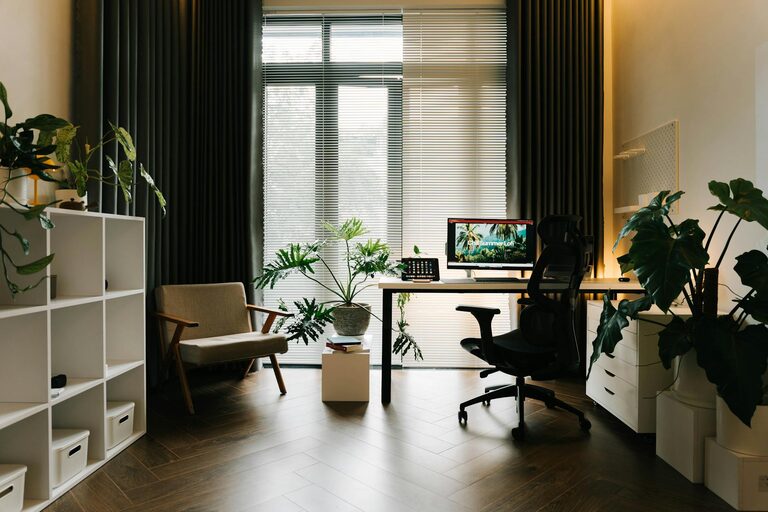
Creating a cozy and inviting home office space is more important than ever. Whether you work full-time from home, freelance, or just need a spot to handle everyday tasks, having a pleasant work area can make a big difference in your comfort and productivity. Here are practical tips to help you design a home office that feels welcoming and supports your best work.
1. Choose the Right Location
Start by selecting a spot in your home that will work best for your needs. Ideally, pick a quiet area with minimal distractions. Natural light is a huge plus—it helps boost mood and alertness. If you don’t have a dedicated room, consider:
– A corner of a living room or bedroom
– A nook near a window
– A space under the stairs with proper lighting
Make sure the location allows you enough space for your desk, chair, and storage without making things feel cramped.
2. Invest in Comfortable Furniture
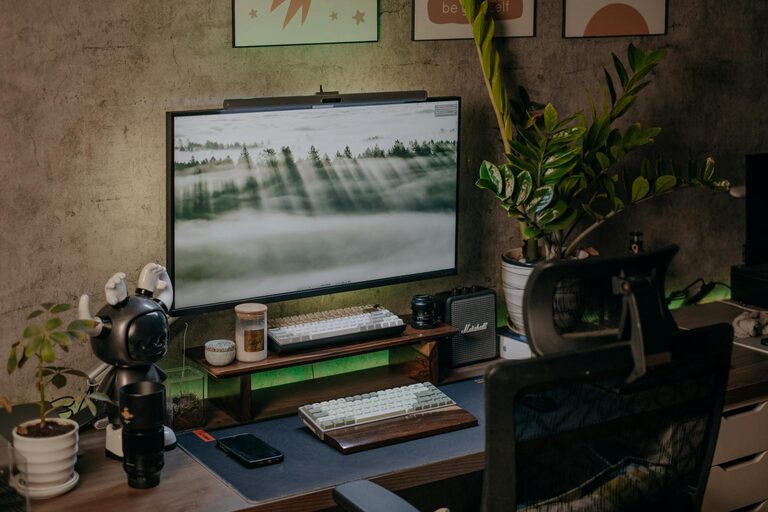
Comfort matters when spending hours at a desk. Choose furniture that supports good posture and reduces strain.
– Ergonomic chair: Look for one with adjustable height and lumbar support.
– Desk: Pick a desk that fits your space and allows room for your computer, paperwork, and accessories.
– Additional seating: If space allows, add a small, cozy chair for reading or breaks.
A comfortable setup helps prevent discomfort, making it easier to stay focused and motivated.
3. Optimize Lighting
Good lighting can brighten your workspace and reduce eye strain.
– Use a combination of natural and artificial light.
– Position your desk near a window, but avoid glare on your screen.
– Add a desk lamp with adjustable brightness for focused work.
– Consider soft ambient lighting to create a warm atmosphere.
The right lighting not only improves functionality but also makes the space feel inviting.
4. Add Personal Touches
Make your home office a place where you enjoy spending time by adding elements that reflect your style and personality.
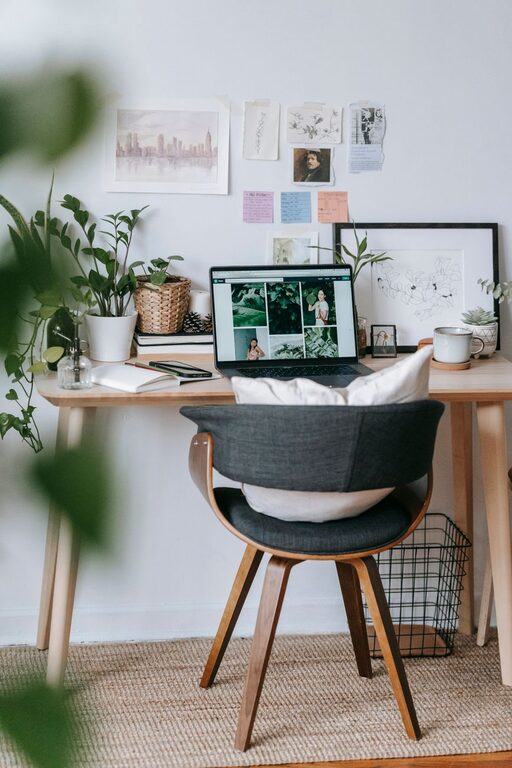
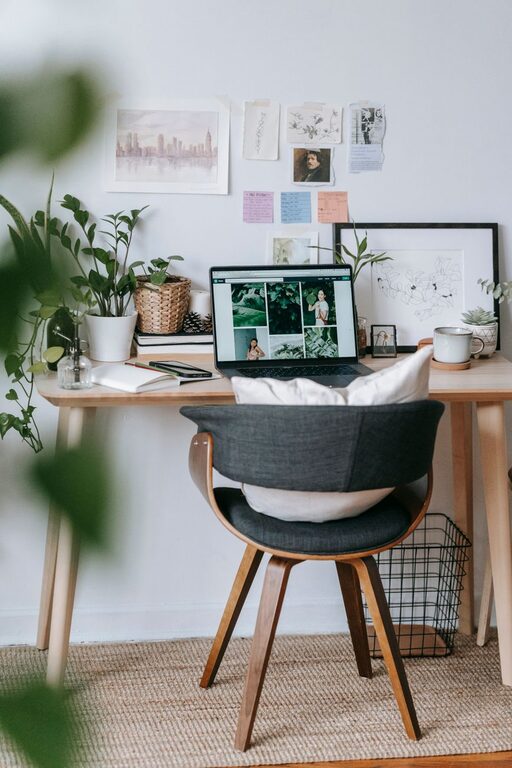
– Plants: Greenery can freshen the air and add life to the room.
– Artwork or photos: Display favorite prints or pictures to inspire you.
– Decorative items: Use a few meaningful objects, like a decorative clock, a cozy throw blanket, or a stylish pen holder.
Personal touches create a more pleasant and less sterile environment.
5. Keep It Organized
A cluttered desk can lead to a cluttered mind. Staying organized helps maintain a sense of calm.
– Use shelves, drawers, or filing cabinets to store documents.
– Invest in desk organizers for pens, notebooks, and electronics.
– Regularly declutter the space to keep only what you need.
An organized space saves time searching for items and helps maintain focus.
6. Choose Calming Colors
Colors influence mood and energy levels. Select tones that help you feel calm and focused.
– Soft neutrals like beige, pale gray, or soft white can make the space feel airy and relaxing.
– Muted blues and greens are known to reduce stress and improve concentration.
– Avoid overly bright or distracting colors for walls or large furniture pieces.
You can add pops of color through small accessories like cushions, rugs, or artwork.
7. Incorporate Textures for Warmth
Adding different textures can create a cozy atmosphere.
– Use a soft rug underfoot to add warmth and comfort.
– Consider fabric curtains or blinds instead of hard materials.
– Add cushions or a throw blanket to your chair.
These simple layers make the space feel softer and more inviting.
8. Manage Noise Levels
Distractions from noise can disrupt your workflow.
– If outside noise is a problem, consider noise-canceling headphones.
– Use soft furnishings, like curtains and rugs, to absorb sound.
– Playing gentle background music or white noise can also help block distractions.
Maintaining a peaceful sound environment supports concentration.
9. Set Boundaries for Work and Relaxation
It’s important to mentally separate work from home life.
– Keep your workspace distinct from areas used for relaxation.
– When your workday ends, close the laptop and tidy your desk.
– If possible, use a room divider, curtain, or furniture placement to create a defined office zone.
Clear boundaries help you “switch off” and enjoy your home time.
10. Personal Wellness Elements
Lastly, consider adding features that support your well-being during the workday.
– A water bottle or a small plant within reach.
– A diffuser with calming essential oils (if you enjoy aromatherapy).
– A small, easy-to-reach stretch or exercise area to take breaks.
Taking small wellness steps can help keep your energy and focus up.
—
By thoughtfully arranging your home office with comfort, style, and function in mind, you can create a cozy and inviting space that encourages productivity and well-being. Remember, your home office should inspire you to do your best work while feeling like a welcoming extension of your home. Happy decorating!