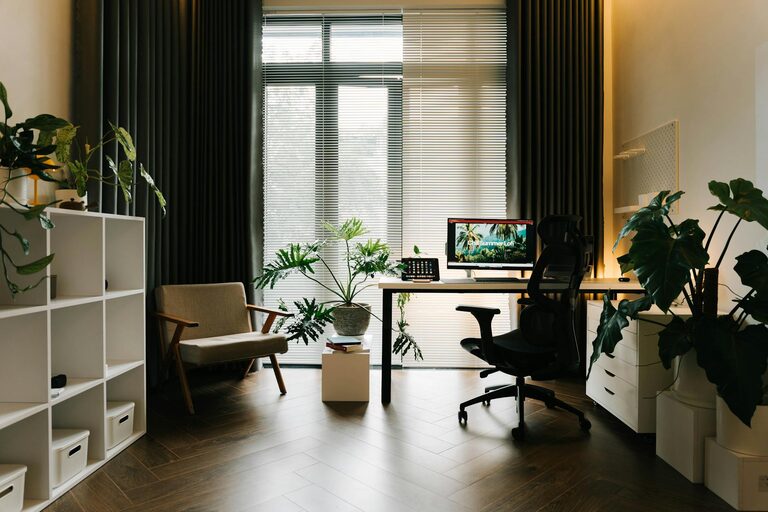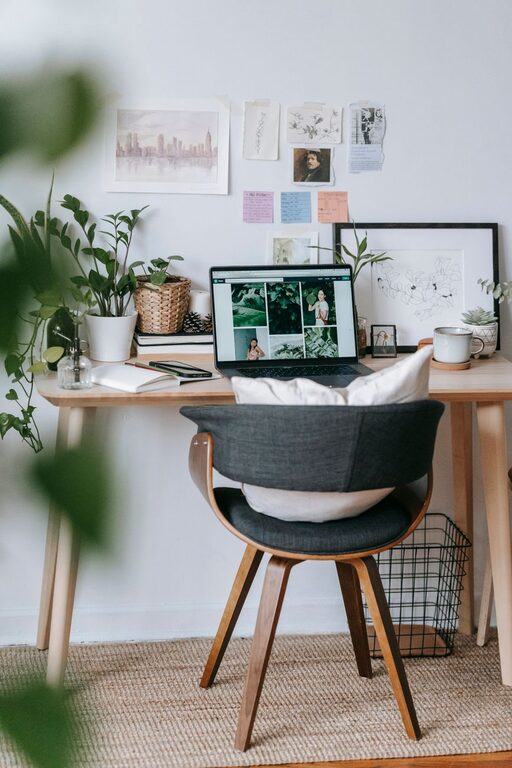
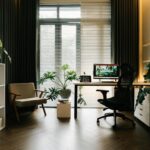



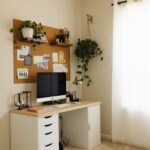
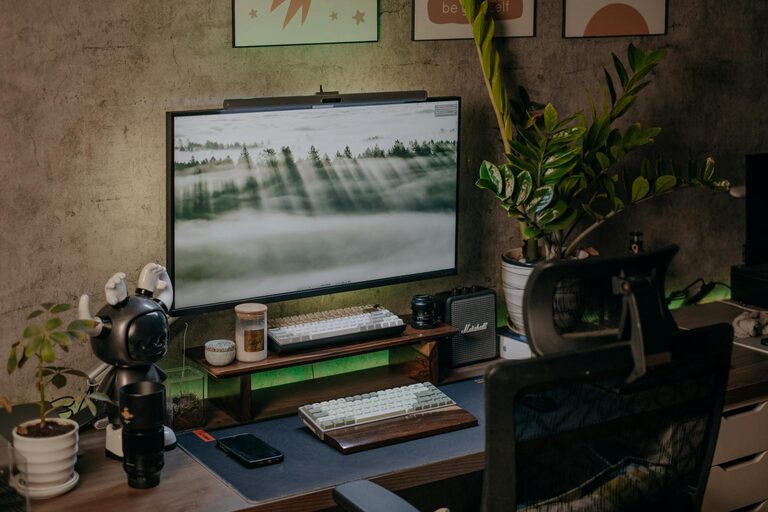
Creating a comfortable and relaxing workspace at home is essential for maintaining focus and productivity. Whether you’re working full-time from home or just need a quiet area for occasional tasks, a thoughtfully designed workspace can make all the difference. In this post, we’ll explore practical tips to help you set up a calm, comfortable, and efficient home office.
Why a Relaxing Workspace Matters
Your environment directly affects your mood and productivity. A cluttered or uncomfortable area can cause distractions and stress, while a well-organized, cozy workspace encourages concentration and creativity. Taking time to optimize your work area helps you feel more motivated and less fatigued throughout the day.
Choose the Right Location
Selecting the ideal spot for your workspace is the first step.
– Natural Light: Position your desk near a window if possible. Natural light reduces eye strain and boosts mood.
– Quiet Area: Choose a location away from high-traffic zones like living rooms or kitchens to minimize interruptions.
– Space Considerations: Even a corner or a small nook can work if organized well.
Invest in Comfortable Furniture
Comfort is key to both relaxation and productivity.
– Ergonomic Chair: A chair that supports your spine and allows your feet to rest flat on the floor encourages good posture.
– Adjustable Desk: If possible, use a desk with adjustable height to alternate between sitting and standing.
– Desk Size: Ensure your desk has enough space to hold your computer, essential tools, and some personal items without feeling overcrowded.
Keep Your Workspace Organized
A tidy workspace promotes a clear mind.
– Declutter Regularly: Remove any non-essential items that may distract you.
– Storage Solutions: Use shelves, drawers, or file organizers to keep papers and supplies neatly stored.
– Cable Management: Use clips or sleeves to prevent cords from tangling and creating visual clutter.
Personalize Your Space Thoughtfully
Adding personal touches can make your workspace feel inviting without becoming distracting.
– Calming Colors: Choose soothing colors like soft blues, greens, or neutrals for your walls or accessories.
– Plants: A small potted plant can improve air quality and provide a sense of calm.
– Art and Photos: Include a few meaningful images or art pieces that inspire you.
Optimize Lighting
Proper lighting is crucial for comfort and reducing eye strain.
– Ambient Light: Use soft overhead lights or lamps to provide even illumination.
– Task Lighting: A desk lamp can offer focused light for reading or detailed work.
– Avoid Glare: Position screens and lights to prevent glare on your computer or workspace.
Manage Noise Levels
Noise can disrupt focus and increase stress.
– Noise-Cancelling Headphones: Useful if you have unavoidable background noise.
– Soft Sounds: Consider playing gentle background music or white noise for concentration.
– Soundproofing: Adding rugs, curtains, or wall panels can help reduce echo and noise.
Maintain Good Air Quality and Temperature
Comfort also means breathing fresh air and being at a comfortable temperature.
– Ventilation: Open windows regularly, or use an air purifier to keep air fresh.
– Temperature Control: Use a fan, heater, or adjust thermostats to maintain a comfortable temperature.
Establish Boundaries
Creating a relaxing workspace also involves mental boundaries around work time.
– Set Work Hours: Define specific working hours to separate work and personal time.
– Use the Space Only for Work: Avoid turning your workspace into a multi-purpose zone to keep the work mindset.
– Take Breaks: Step away from your desk regularly to relax and recharge.
Incorporate Wellness Practices
Adding wellness elements to your workspace supports overall comfort.
– Stretching: Keep space to stretch during breaks to reduce tension.
– Hydration: Keep a water bottle nearby to stay hydrated.
– Mindfulness: A small area for quick meditation or deep-breathing can help reduce stress.
Final Thoughts
Designing a relaxing home workspace takes some planning but pays off in increased focus and well-being. By choosing the right location, furnishing comfortably, managing clutter and noise, and nurturing a calm environment, you create a space where productivity and comfort go hand in hand. Start with small changes and adjust your setup until it feels just right for you. Your workdays will thank you!